
For UK Healthcare Professionals Only
This website contains promotional content and is intended for UK Healthcare Professionals only.
For all other UK residents, please visit www.taihooncology.eu.
The efficacy and safety of LYTGOBI▼ were reported in the FOENIX-CCA2 study1
FOENIX-CCA2 was a multinational, open-label, single-arm, phase 2 study in adult patients with previously treated, unresectable, locally advanced or metastatic intrahepatic CCA harbouring an FGFR2 fusion or rearrangement.1
Patients (N=103)1
Key eligibility criteria
- Unresectable or metastatic iCCA
- FGFR2 fusion or rearrangement*
- Radiologically measurable disease per RECIST v1.1
- Progression after systemic therapy (inc. ≥1 previous regimen of gemcitabine + platinum-based chemotherapy)
- ECOG PS 0 or 1
- No prior treatment with an FGFR inhibitor
Key exclusion criteria:2
A current clinically significant primary malignancy other than iCCA, or a history or current evidence of:
- nontumour-related, altered calcium-phosphorus homeostasis
- ectopic mineralisation/calcification
- retinal disorder
- uncontrolled ventricular arrhythmia
Treatment1
LYTGOBI
20 mg orally, once daily (five 4 mg tablets)
Disease progression, drug intolerance, or until any other discontinuation criterion was met
Endpoints1
Primary
Objective response rate (per ICR)
Key secondary endpoint3
- Duration of response (DoR)
Secondary
- Disease control rate (DCR)
- Progression-free survival (PFS)
- Overall survival (OS)
- Safety
- Patient-reported outcomes
Follow-up1
Primary analysis when ≥50% patients with an objective response had ≥6 months of follow-up from response onset
- The study enrolled patients with unresectable or metastatic FGFR2 fusion or rearrangement-positive iCCA* with disease progression after ≥1 line of systemic therapy (excluding FGFR inhibitors)1
- A maximum of two dose reductions (to 16 mg and then to 12 mg) were permitted to manage treatment-emergent adverse reactions†1
*Prospectively identified by local testing of tumour tissue or ctDNA, or by testing of tumour tissue at a central or local laboratory with the use of a 324-gene-panel assay (FoundationOne CDx assay, Foundation Medicine).1
†Treatment was discontinued if treatment-emergent adverse reactions did not resolve after two dose modifications or if the next cycle of treatment was delayed by >21 days.1
A total of 103 patients were enrolled at 47 sites across 13 countries*1
Baseline characteristics1–3 | Category | All patients (N=103) |
|---|---|---|
| Age, years (range) | Median | 58 (22–79) |
| ≥65 years (%) | 22 | |
| Sex (%) | Female | 56 |
| Male | 44 | |
| ECOG PS (%) | 0 | 47 |
| 1 | 53 | |
| Race (%) | White | 49 |
| Asian | 29 | |
| Black | 8 | |
| Other | 14 | |
| Number of prior regimens (%) | 1 | 47 |
| 2 | 30 | |
| ≥3 | 23 | |
| FGFR2 alteration† (%) | Fusion | 78 |
| Rearrangement | 22 | |
| Prior platinum based chemotherapy (%) | Gemcitabine/cisplatin | 91 |
| Other | 9 |
- The primary analysis had a median follow-up of 17.1 months1
- The extended analysis, conducted 8 months later, had a median follow-up of 25.0 months1,2
*Between April 2018 and November 2019.1 †Rearrangements were categorised as fusions only if the fusion gene partner was identified.
42% of patients responded to LYTGOBI1
Primary endpoint: Objective response rate.1
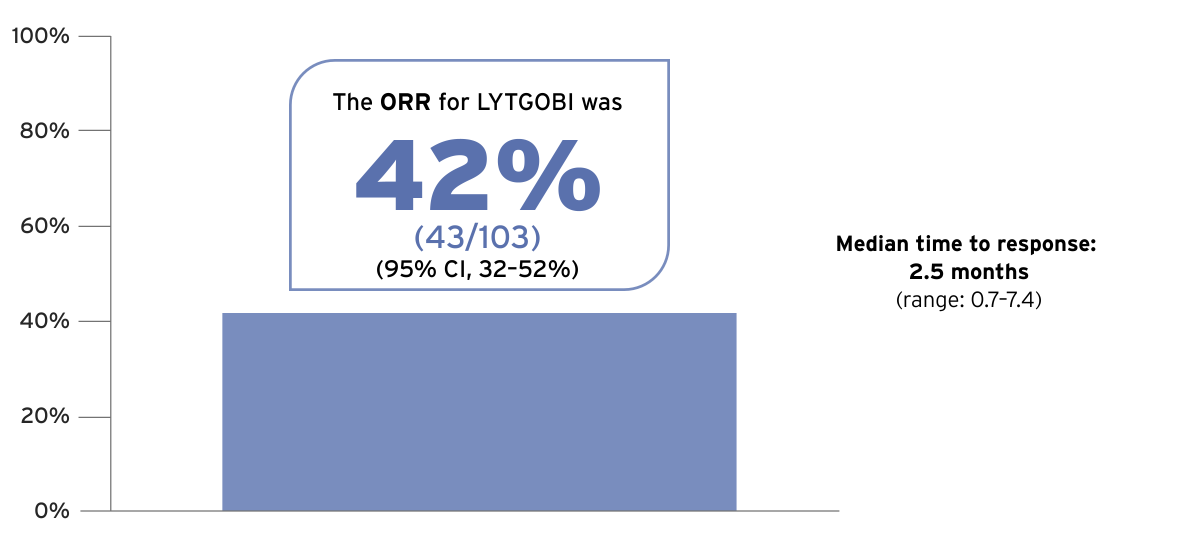
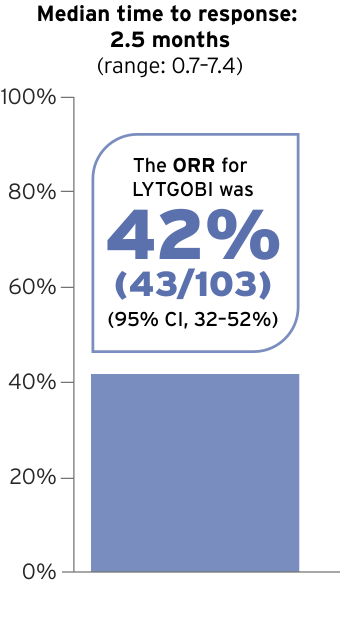
Patients treated with LYTGOBI experienced a median duration of response of 9.7 months1
Key secondary endpoint: Duration of response.1,3
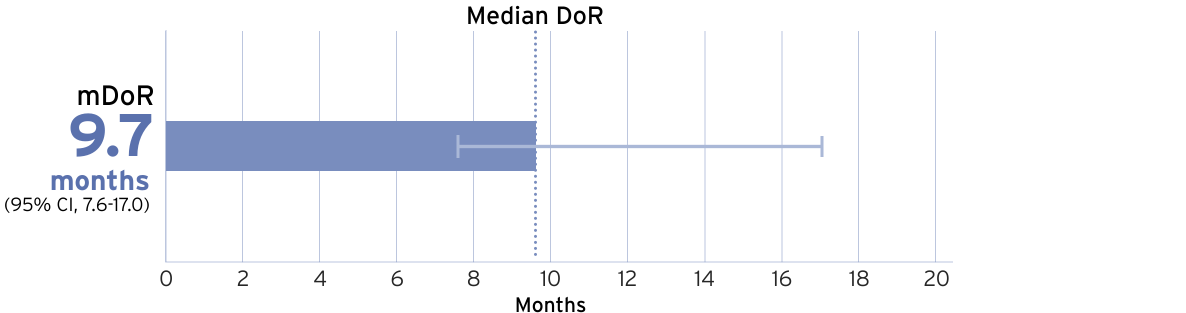
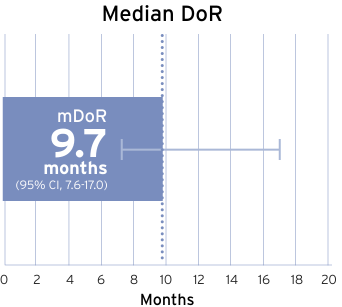
In FOENIX-CCA2, LYTGOBI treatment was associated with durable responses in patients with iCCA and FGFR2 alteration1,3
85%
(95% CI, 70–93%) of patients with a response (n=31/43) had responses that lasted ≥6 months3
37%
(95% CI, 18–56%) of patients with a response (n=6/43) had responses that lasted ≥1 year3
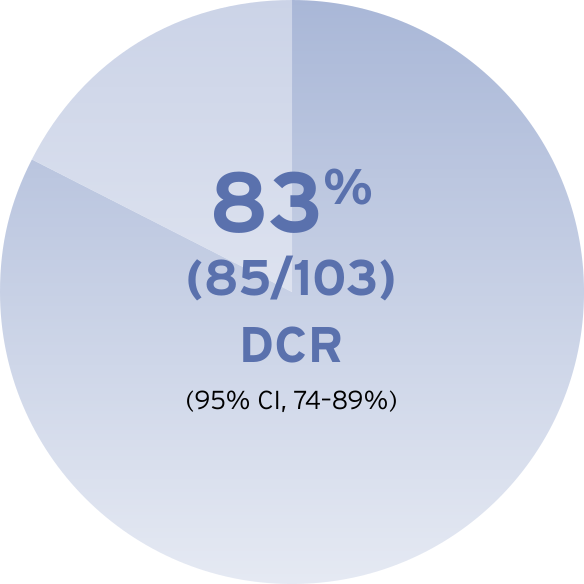
LYTGOBI was associated with disease control in most patients1
Secondary endpoint:
DCR 83%1,2
Complete response 1.0% (n=1)
Partial response 40.8% (n=42)
Stable disease 40.8% (n=42)
DCR is the sum of ORR (complete response and partial response) and stable disease1,2
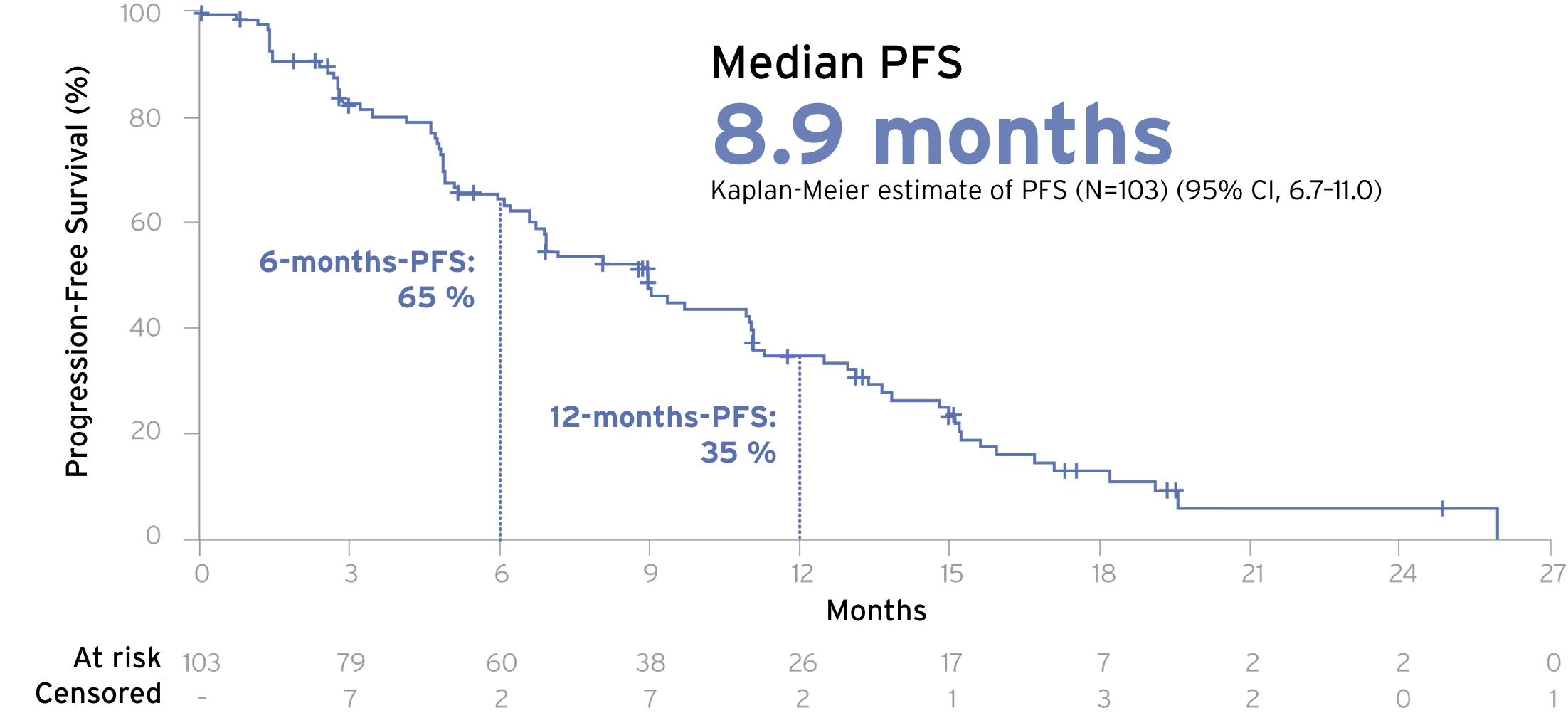
Progression-free and overall survival reported in the FOENIX-CCA2 study1
Secondary endpoint: Progression-free survival.4
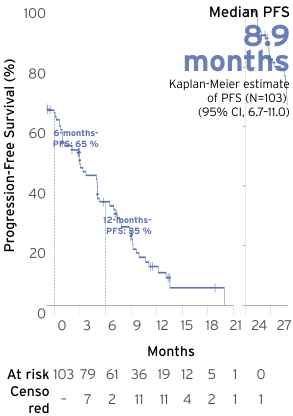
Secondary endpoint: Overall survival.4
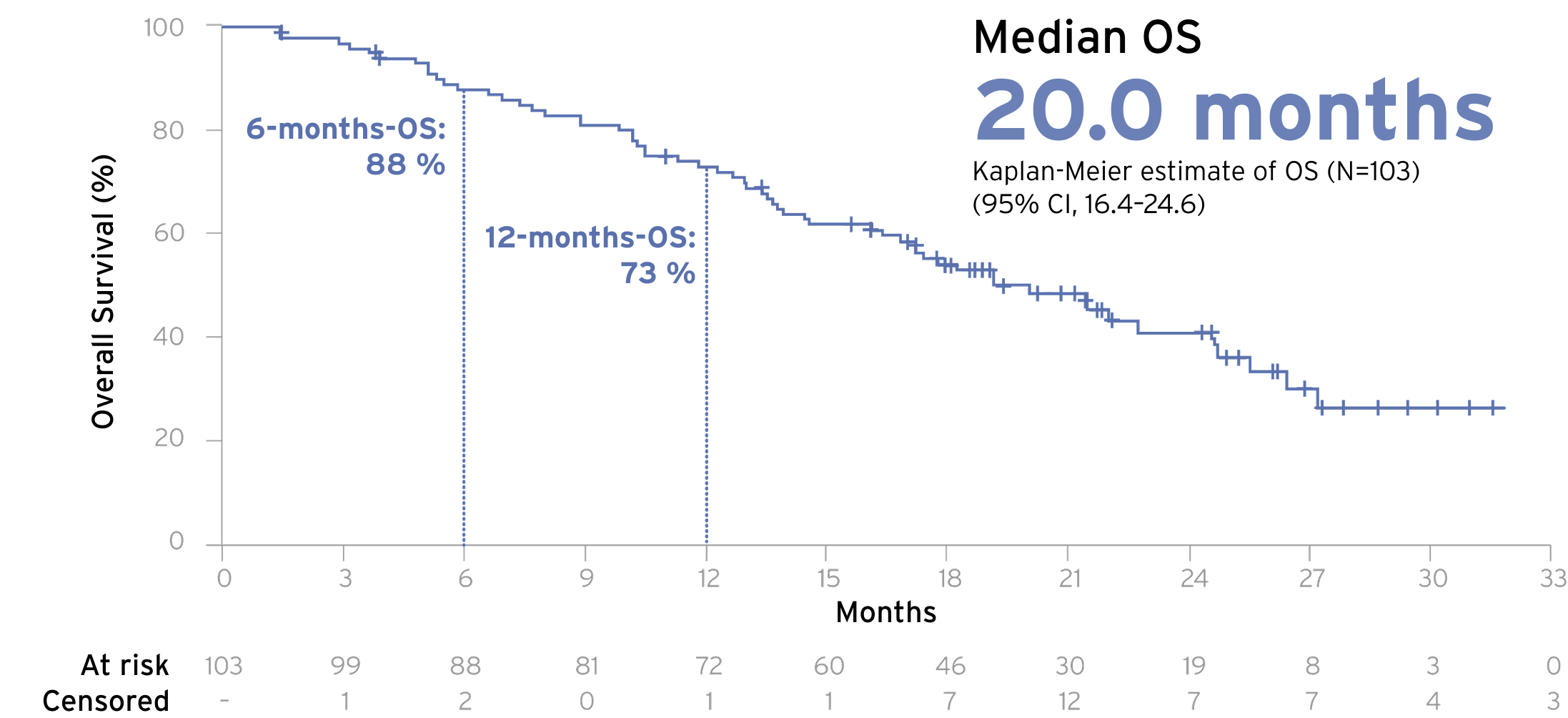
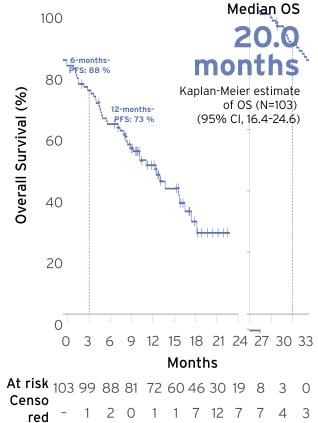
Median follow-up at time of data cutoff was 25.0 months, and 96/103 patients (93%) had discontinued treatment.4
FOENIX-CCA2 study reported consistent outcomes in the extended follow-up1,2
Extended follow-up: treatment response and survival outcomes were maintained in the overall study population.1,2
|
Endpoint
|
Primary Analysis1
Data cutoff: 1 October 2020 Median follow-up: 17.1 months |
Extended Follow-up2
Data cutoff: 29 May 2021 Median follow-up: 25.0 months |
|---|---|---|
| ORR (95% CI) | 42% (32–52%); n=43/103 | 42% (32–52%); n=43/103 |
| DCR (95% CI) | 83% (74–89%); n=85/103 | 83% (74–89%); n=85/103 |
| mDoR (95% CI) | 9.7 months (7.6–17.0 months) | 9.5 months (7.6–10.4 months) |
| mPFS (95% CI) | 9.0 months (6.9–13.1 months); 64/103 events |
8.9 months (6.7–11.0 months) |
| mOS (95% CI) | 21.7 months (14.5 months–NR); 40/103 deaths |
20.0 months (16.4–24.6 months)* |
*Mature data.4
Extended follow-up data included the following limitations: missing data and the difficulties of testing the assumption of non-informative censoring, particularly for patients lost to follow-up. Statistics are descriptive in nature. No inferential conclusions can be drawn.2
ORR was reported to be independent of age, sex, geographic region, baseline ECOG PS, number of prior regimens and prior surgical resection.
However, this subgroup analysis is exploratory in nature and no inferential conclusions were drawn1,2
Get a summary of all the key findings of the FOENIX-CCA2 Study - download the FOENIX-CCA2 infographic today
Summary of the overall safety profile of LYTGOBI (safety population; N=145)3
The safety population is based on data from patients with CCA from phase 1 and 2 studies, receiving LYTGOBI 20 mg orally, once daily.3

|
MOST COMMON ADVERSE REACTIONS (IN ≥20% OF PATIENTS)3
|
|
|---|---|
| Hyperphosphataemia | 89.7% |
| Nail disorders | 44.1% |
| Constipation | 37.2% |
| Alopecia | 35.2% |
| Diarrhoea | 33.8% |
| Dry mouth | 31.0% |
| Fatigue | 31.0% |
| Nausea | 28.3% |
| Dry skin | 27.6% |
| Increased AST | 26.9% |
| Abdominal pain | 24.8% |
| Stomatitis | 24.8% |
| Vomiting | 23.4% |
| Palmar-plantar erythrodysaesthesia syndrome | 22.8% |
| Arthralgia | 21.4% |
| Decreased appetite | 20.0% |

The most common serious adverse reactions were intestinal obstruction (1.4% of patients) and migraine (1.4% of patients).3
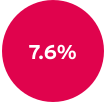
Permanent discontinuation due to adverse reactions was reported in 7.6% of patients. The most common adverse reaction that led to dose discontinuation was stomatitis (1.4%); all other adverse reactions were single occurrences.3
Which side effects can occur with LYTGOBI treatment?
Side effects with LYTGOBI observed in the LYTGOBI safety population reported by incidence of treatment-emergent events (N=145)3
|
System Organ Class
|
Frequency
|
Adverse Reactions
|
|---|---|---|
| Metabolism and nutrition disorders | Very common |
Hyperphosphataemia Decreased appetite Hyponatraemia Hypophosphataemia |
| Nervous system disorders | Very common | Dysgeusia |
| Common | Migraine | |
| Eye disorders | Very common | Dry eye |
| Common | Serous retinal detachment* | |
| Gastrointestinal disorders | Very common |
Stomatitis Diarrhoea Nausea Constipation Dry mouth Vomiting Abdominal pain |
| Common | Intestinal obstruction | |
| Skin and subcutaneous tissue disorders | Very common |
Palmar-plantar erythrodysaesthesia syndrome Nail disorders† Dry skin Alopecia |
| Musculoskeletal and connective tissue disorders | Very common |
Myalgia Anthralgia |
| General disorders and administration site conditions | Very common | Fatigue |
| Investigations | Very common | Liver transaminases increased |
Frequency categories are very common (≥1/10) and common (≥1/100 to <1/10)
*Includes serous retinal detachment, detachment of retinal pigment epithelium, subretinal fluid, chorioretinopathy, macular oedema, and maculopathy.
†Includes nail toxicity, nail bed tenderness, nail disorder, nail discolouration, nail dystrophy, nail hypertrophy, nail infection, nail pigmentation, onychalgia, onychoclasis, onycholysis, onychomadesis, onychomycosis and paronychia.
Warnings and precautions for use3
Hyperphosphataemia3
Hyperphosphatemia is a pharmacodynamic effect expected with LYTGOBI (due to increased serum phosphate levels as a result of FGFR inhibition).
Prolonged hyperphosphataemia can lead to soft tissue mineralisation (including cutaneous, vascular and myocardial calcification), hyperparathyroidism, anaemia and hypocalcaemia (that may cause muscle cramps, QT interval prolongation, and arrythmias).
Recommendations for management include: dietary restriction, administration of phosphate-lowering therapy, and dose modification when required.
Serous retinal detachment3
May present with symptoms such as blurred vision, visual floaters, or photopsia; this can moderately influence the ability to drive and use machines.
Ophthalmological exams should be performed prior to treatment initiation, six weeks thereafter, and urgently if visual symptoms occur. Dose modifications may be required.
Careful consideration should be taken if patients have clinically significant medical eye disorders (including but not limited to, central serous retinopathy, macular/retinal degeneration, diabetic retinopathy, and previous retinal detachment).
Dry eye3
Patients should use ocular demulcents, in order to prevent or treat dry eye, as needed.
Embryo-foetal toxicity3
LYTGOBI can cause foetal harm when administered to a pregnant woman and should not be used during pregnancy unless the potential benefit for the women justifies the potential risk to the foetus. Pregnant women should be advised of the potential risk. A pregnancy test should be performed before treatment initiation to exclude pregnancy.
Lactose3
LYTGOBI contains lactose. Patients with rare hereditary problems of galactose intolerance, total lactase deficiency or glucose-galactose malabsorption should not take this medicinal product.
LYTGOBI is contraindicated in any patients with hypersensitivity to the active substance or to any of the following excipients: mannitol (E421), maize starch, lactose monohydrate, sodium laurilsulfate, cellulose, microcrystalline crospovidone, hydroxypropylcellulose (E463), magnesium stearate, hypromellose (E464), macrogols, titanium dioxide (E171).3
Interactions with other medicines3
Combination with strong CYP3A inhibitors or strong/moderate CYP3A inducers3
Concomitant use of strong CYP3A inhibitors (e.g. clarithromycin, itraconazole) or strong/moderate CYP3A inducers (e.g. carbamazepine, phenytoin, phenobarbital, efavirenz, rifampin) should be avoided because they have been shown to alter LYTGOBI plasma concentration. If this is not possible, dose modifications should be considered (see sections 4.2, 4.4 and 4.5 of the Summary of Product Characteristics).
Effect of LYTGOBI on P-gp and BCRP substrates3
In vitro studies indicate that co-administration of LYTGOBI is not likely to have a clinically relevant effect on the exposure of P-gp substrates (e.g. digoxin) or BCRP substrates (e.g. rosuvastatin).
Effect of LYTGOBI on CYP1A2 substrates3
In vitro studies indicate that LYTGOBI has the potential to induce CYP1A2. Coadministration of LYTGOBI with CYP1A2 sensitive substrates (e.g. olanzapine, theophylline) may decrease their exposure and therefore may affect their activity.
Fertility, pregnancy and lactation3
Pregnancy3
Pregnancy should be avoided while taking LYTGOBI. An effective method of contraception should be used in women of childbearing potential and in men with women partners of childbearing potential during treatment with LYTGOBI and for one week following completion of therapy. The effects of LYTGOBI on contraceptives has not been investigated; barrier methods should be applied as a second form of contraception to avoid pregnancy.
Breastfeeding3
It is unknown whether LYTGOBI or its metabolites are excreted in human milk. A risk to the breast-fed newborns/infants cannot be excluded. Breastfeeding should be discontinued during treatment with LYTGOBI and for 1 week after the last dose.
Fertility3
There are no data on the effect of LYTGOBI on human or animal fertility.
Based on the pharmacology of LYTGOBI, impairment of male and female fertility cannot be excluded.
Effects on ability to drive and use machines3
LYTGOBI has moderate influence on the ability to drive and use machines. Patients should be advised to be cautious in case they experience fatigue or visual disturbances during the treatment with LYTGOBI.
Please consult the LYTGOBI Summary of Product Characteristics in full before prescribing
Please see full Prescribing Information for LYTGOBI (futibatinib) here.
AST, aspartate aminotransferase; CCA, cholangiocarcinoma; CDx, companion diagnostic; ctDNA, circulating tumour deoxyribonucleic acid; CYP3A4, cytochrome P450 3A4; DCR, disease control rate; DNA, deoxyribonucleic acid; ECOG PS, Eastern Cooperative Oncology Group performance status; FGF, fibroblast growth factor; FGFR, fibroblast growth factor receptor; iCCA, intrahepatic cholangiocarcinoma; ICR, independent central review; mDoR, median duration of response; MoA, mechanism of action; mOS, median overall survival; mPFS, median progression-free survival; ORR, objective response rate; OS, overall survival; PFS, progression-free survival; P-gp, P-glycoprotein; RECIST, Response Evaluation Criteria in Solid Tumour.
References: 1. Goyal L, et al. N Engl J Med. 2023;388(3):228–239; 2. Goyal L, et al. N Engl J Med. 2023;388(3):228–239. Supplementary Appendix; 3. LYTGOBI. Summary of Product Characteristics; 4. Goyal L, et al. J Clin Oncol. 2022;40(Suppl 16):4009.